
사이트 로그인
사이트 로그인
Managing a Class II malocclusion presents profound difficulties for individuals and craniofacial specialists. For minor overbites that may be resolved with traditional fixed appliances, severe overbites often involve significant skeletal imbalances where the maxilla is excessively anterior or the lower jaw is underdeveloped. This can lead to not only aesthetic concerns but also clinical impairments such as reduced bite efficiency, phonetic disturbances, chronic jaw pain, and excessive enamel erosion or periodontal recession.
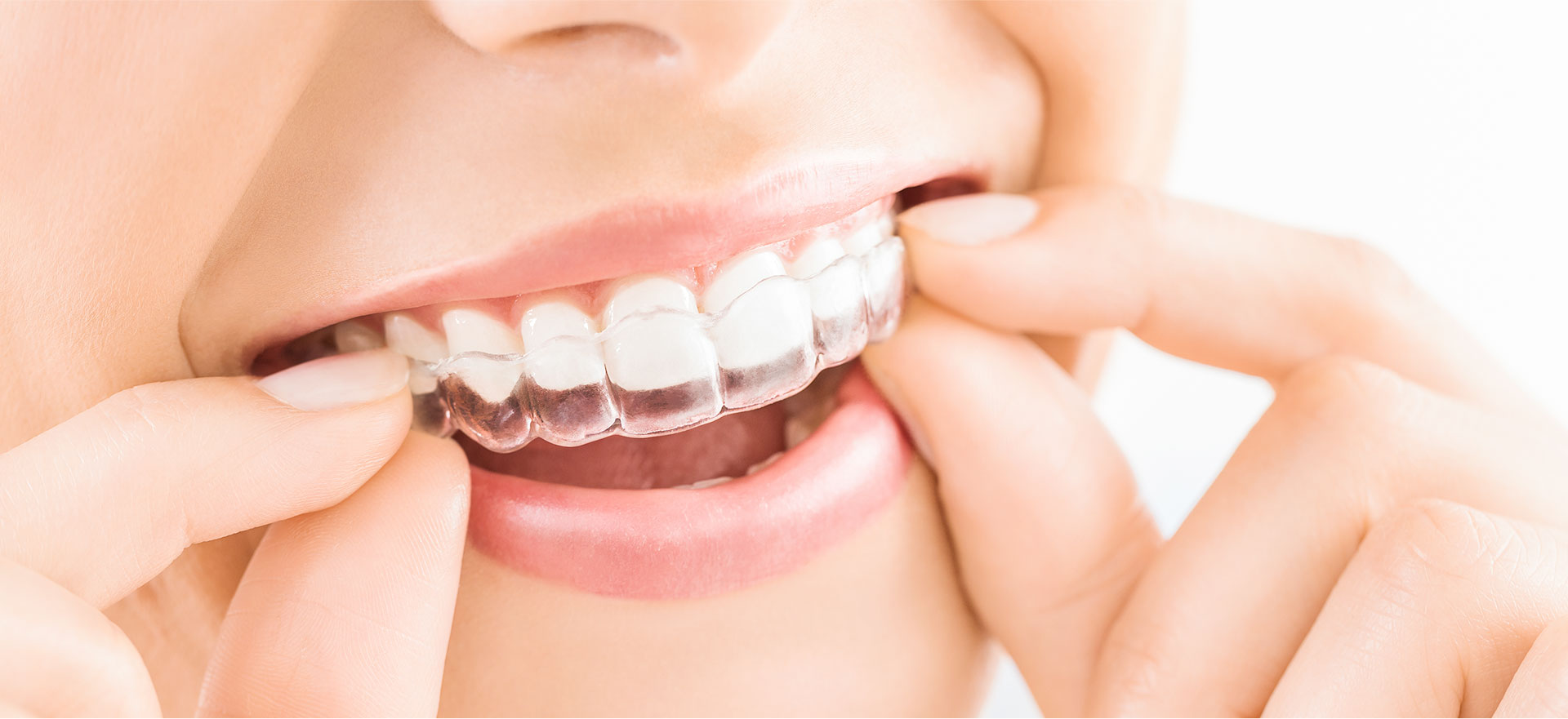
The most critical consideration is determining the right timing for intervention. In developing patients, myofunctional orthopedic tools like Jig Appliance or palatal expanders can be highly effective because growth potential is active. In post-pubertal patients, the jawbones have fully matured, making conservative corrections far less effective. When growth is exhausted, braces or aligners in isolation is generally inadequate, and corrective jaw surgery becomes essential to reposition the jaws properly.
Another hurdle is motivation and perceived outcomes. The correction of a major skeletal discrepancy can take several years and involves sequential interventions, including pre-operative tooth positioning, surgery, and final detailing. Patients must be prepared for the physical discomfort, chewing limitations, and altered facial profile. Providing comprehensive counseling about the lasting improvements versus immediate discomforts is essential for compliance.
Dental professionals also face precision-dependent procedures. Precise planning is mandatory to ensure the jaws are repositioned with surgical accuracy. This typically requires 3D radiographic analysis, 3D simulations, and interdisciplinary teamwork with surgical specialists. Small planning errors can lead to post-treatment drifting or unsatisfactory results, demanding further orthodontic adjustment.
Economic constraints and psychological fears can also limit patient uptake. Maxillofacial reconstructive surgery is cost-prohibitive and frequently excluded from coverage, regardless of clinical necessity. A significant portion postpone care due to cost or perceived risks, which can exacerbate skeletal imbalance. Support systems, including behavioral therapy and third-party financing options, play a critical function in helping patients move forward.
Ongoing post-treatment care is vital. Even after successful correction, 表参道 歯並び矯正 fixed or removable appliances and regular follow-up visits are required to prevent relapse. The periodontal and skeletal environment can shift, especially if the patient has habits like teeth grinding or tongue thrusting.
Addressing severe overbite requires a team-based strategy that combines orthodontics, maxillofacial intervention, behavioral support, and informed consent protocols. Despite its intricacies, the results—restored occlusal efficiency, reduced pain, and enhanced self-confidence—are profoundly transformative. By adopting a comprehensive strategy and continuous monitoring, even the most challenging cases can be successfully managed.
사이트 로그인
 Astro Photo
 검색
검색  전체메뉴
전체메뉴