
사이트 로그인
사이트 로그인
2026.01.27 11:18
Crossbite is a frequent dental issue where some of the upper teeth sit overlapped by the lower teeth when the mouth is closed. This misalignment can occur in the front teeth, known as an front tooth crossbite, or posteriorly, called a posterior crossbite. Left untreated, crossbite can lead to uneven wear of the teeth, temporomandibular joint discomfort, difficulty chewing, and even asymmetry in facial development. Fortunately, contemporary treatment options offer effective and often gentle ways to correct crossbite at any age.
One of the primary treatments for crossbite is the use of dental brackets. Traditional metal or ceramic braces apply controlled biomechanical force to align the dental arches. For cases involving a narrow upper jaw, orthodontists often integrate orthodontic brackets with jaw widening technology. A palatal expander is a tailored orthodontic instrument that is bonded to the posterior teeth and gently widens the upper jaw over time. This is most advantageous during adolescence, whose jaws are still growing, but advanced expansion appliances can also be used with positive outcomes in older individuals.
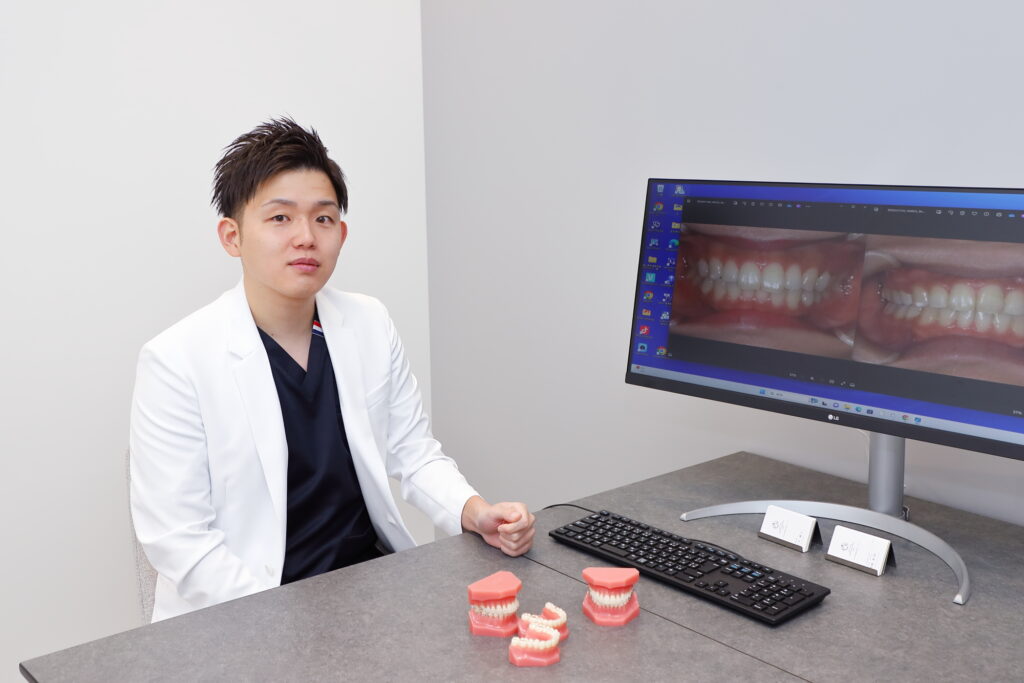
Clear aligners like Invisalign are another preferred alternative for 表参道 歯科矯正 correcting non-severe dental misalignments. These discreet, transparent aligners are changed every few weeks and gradually shift the teeth into alignment. Aligners work well for patients who prefer a less noticeable treatment and are disciplined enough to wear them for the recommended 20 to 22 hours a day. However, they may not be suitable for severe cases or when orthopedic intervention is essential.
In specific clinical scenarios, especially when the crossbite is due to underlying jaw misalignment rather than just dental alignment, orthodontic treatment may be combined with orthognathic surgery. This is most often recommended for complex adult patients, where the osseous structures must be surgically corrected to achieve proper alignment. Surgery is conducted in conjunction with pre- and post-operative orthodontics to ensure optimal results.
Timely treatment makes a difference. Many orthodontists recommend that children have their initial orthodontic screening at age 7, even if the bite appears normal. Detecting a crossbite early allows for more conservative interventions and can avoid long-term complications. Even mature individuals can benefit from correction, as contemporary dental technology offers a diverse array of solutions tailored to individual needs and lifestyles.
The right treatment plan depends on factors like the degree of malocclusion, the patient’s age, and dental condition. A qualified orthodontist will assess occlusion, perform radiographic imaging, and recommend the most appropriate approach. With regular monitoring and adjustments, most patients achieve a healthy, functional, and aesthetically pleasing smile.
Correcting a crossbite is not just about aesthetics—it improves chewing efficiency, reduces pressure on the TMJ, and prevents long term damage to the dental structures. Whether through fixed appliances, palatal expanders, and clear aligners, orthodontic solutions make it possible to fix crossbite with predictable outcomes and high patient satisfaction.
사이트 로그인
 Astro Photo
 검색
검색  전체메뉴
전체메뉴