
사이트 로그인
사이트 로그인
Choosing the right concealer shade starts with understanding your skin's undertone and how you intend to use the product—whether it's to cover blemishes, brighten under-eyes, or highlight your favorite features. The wrong shade can look gray or orange, while the perfect concealer shade seamlessly melts into your skin for a flawless finish.
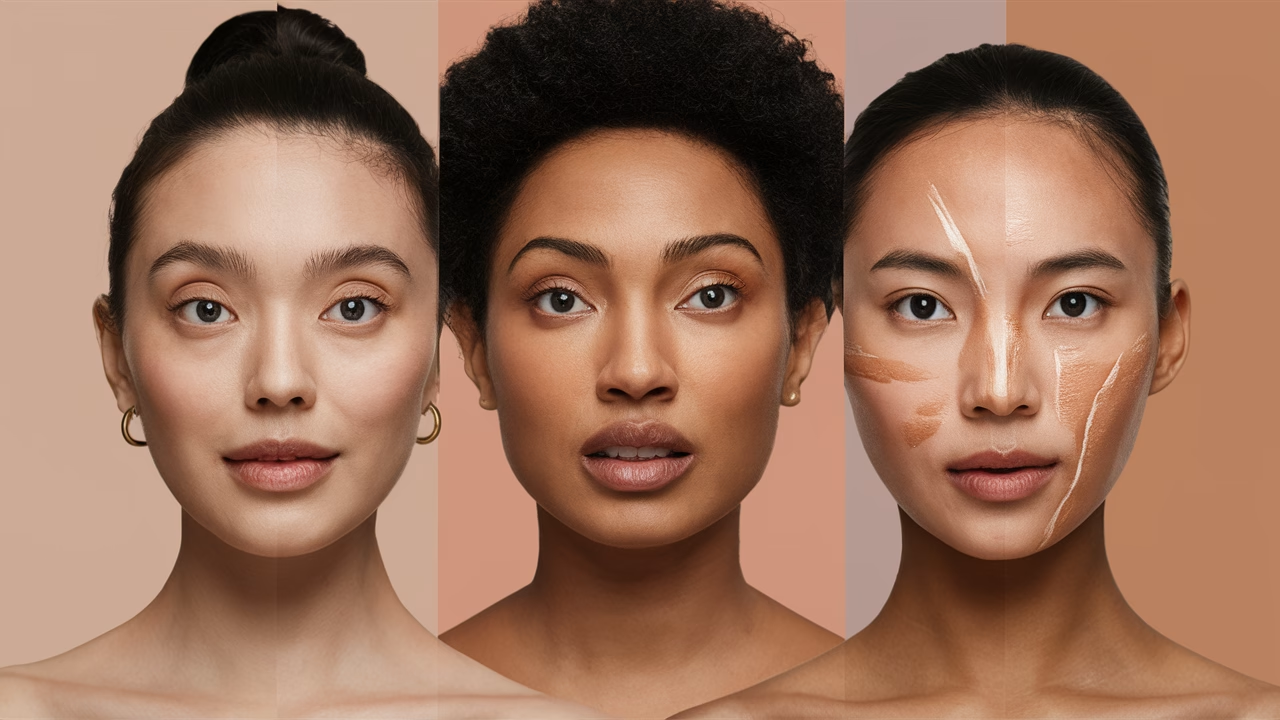
Ever bought a concealer that looked perfect in-store but turned ashy or orange once you got home? That's likely because the undertone didn't match your skin. This step-by-step guide to finding your perfect concealer match starts with determining your undertone:
How to determine your undertone for concealer: Check the veins on the inside of your wrist. Blue or xn--9m1bj7w5fr3e8te72a7k351ewff.kr purple veins indicate cool undertones. Greenish veins suggest warm undertones. See both? You're likely neutral.
Once you know your undertone, selecting the right concealer shade becomes much easier. For a natural match, choose a concealer with the same undertone as your skin. For under-eye brightening or creating a highlight concealer shade effect, go one to two shades lighter while still harmonizing with your undertone. Using a warm concealer on cool skin creates a sallow effect, while cool tones on warm skin often appear gray.
This is where the real artistry begins. For full-coverage concealing like blemishes or acne scars, use a concealer that closely matches your foundation shade. For under-eye brightening or highlighting, go 1–2 shades lighter than your foundation match—but not so light that it creates an unnatural contrast.
| Usage | Recommended Shade |
|---|---|
| Concealing blemishes | Exact foundation match |
| Under-eye brightening | 1–2 shades lighter |
| Contour (cream) | 2 shades darker |
| Highlighting | 1 shade lighter |
Application plays a massive role in how your perfect concealer shade performs. Use a damp beauty sponge or your fingertip to gently press and blend the concealer into your skin—don't rub! For the under-eye area, apply in a triangle shape pointing down your cheek to lift and refresh your look. Lock in with a feather-light translucent powder to minimize creasing.
The best concealer shade for cool undertones avoids pulling too yellow. Cool-toned individuals should aim for shades labeled "fair with pink undertone" or "light cool." For deeper cool tones, look for bluish red-based shades rather than warm reddish browns. These foolproof tips for selecting the right concealer shade will keep your base looking cohesive instead of patchy or mismatched.
If your skin favors warmth, embrace concealers described as golden, honey, or peach. These will neutralize shadows without clashing with your natural glow. Going too neutral can wash you out, especially under your eyes—so lean into your gold tones when creating that perfect highlight concealer shade effect.
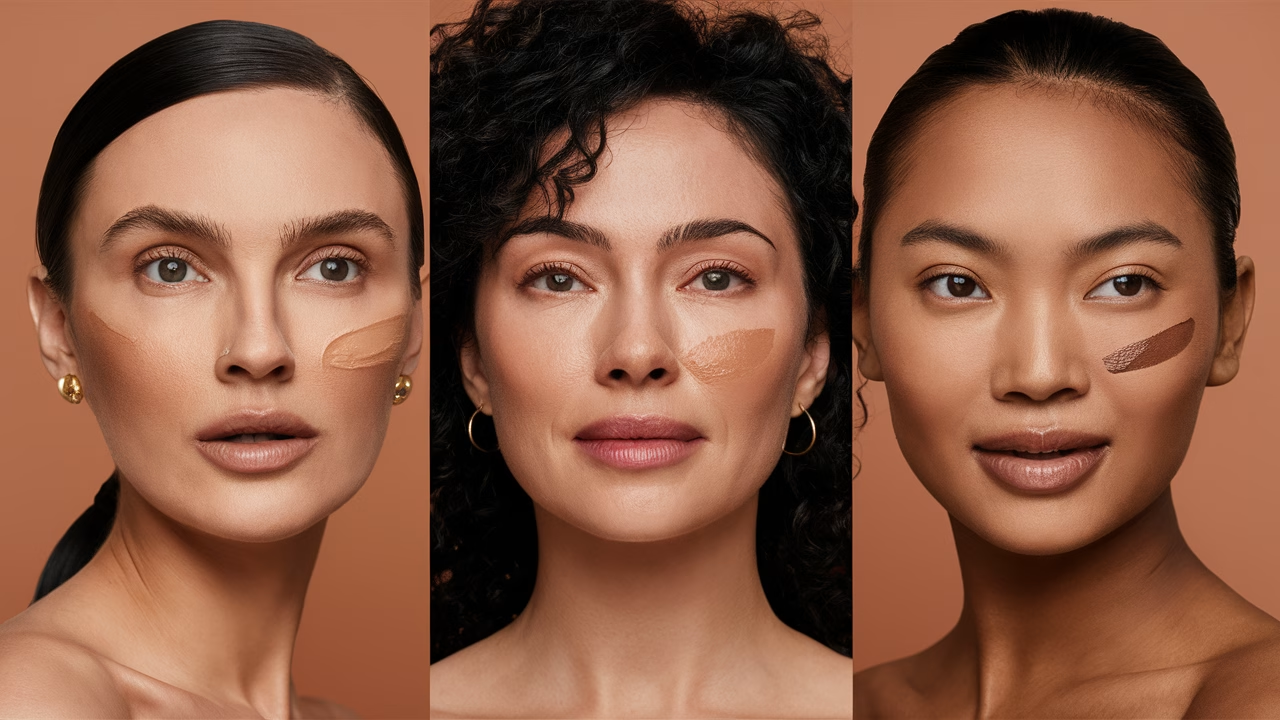
Finding the top concealer shades for olive skin tones can be challenging. Many concealer lines skew too yellow or too pink for olive undertones. Olive skin needs a delicate balance: neither too warm nor too cool. Look for shades with green-neutral bases or labels that say "neutral olive." Medium skin tones often sit in this tricky middle zone, so test different brands' medium-range options side by side using natural light to find your perfect concealer shade.
| Price Tier | Estimated Range | What to Expect |
|---|---|---|
| Low-End | $5–$12 | Basic coverage, limited shades, drugstore formulas |
| Mid-Range | $13–$28 | Balanced coverage, more undertone variety |
| High-End | $30–$60+ | Superior formulas, wide color range, long wear |
Finding your perfect concealer shade is a journey that pays off the moment your skin looks seamless, radiant, and like an enhanced version of you. Whether you're combating dark circles, concealing a breakout, or creating the perfect highlight concealer shade, the right match completes your canvas. Remember: your undertone holds the key to selecting the right concealer shade, and shade selection should follow function. Focus on blending skills, undertone awareness, and always check in natural light. With practice, this step-by-step guide to finding your perfect concealer match becomes second nature.
Start by identifying your undertone—warm, cool, or cosmetic neutral—and match a concealer based on what you're trying to achieve. Use your foundation as a guide for blemish concealing, and go slightly lighter for under-eye or highlight purposes.
It depends. For covering blemishes, match your concealer to your foundation. For under-eye brightening or highlighting, go 1–2 shades lighter—but make sure it still blends smoothly.
You can, but ideally, use separate shades. Brightening under the eyes requires a lighter tone, whereas blemish coverage should match your foundation exactly for a seamless finish.
A highlight concealer shade is lighter and used to enhance areas like under the eyes or bridge of the nose. Regular concealer matches your skin tone and is used for correcting or cv.rascol.uk covering imperfections.
This happens when the undertone of the concealer doesn't match your skin's undertone. A cool-toned concealer on warm skin can look gray, while a warm concealer on cool skin may appear orange.
Yes. Your skin tone can shift with sun exposure in summer or lighten during winter, so it's helpful to have a couple of shades that work for various times of the year.

Always prep your skin with moisturizer, use a primer if needed, and lightly set your concealer with powder to lock it in.
사이트 로그인
 Astro Photo
 검색
검색  전체메뉴
전체메뉴