
사이트 로그인
사이트 로그인
2026.01.09 04:38
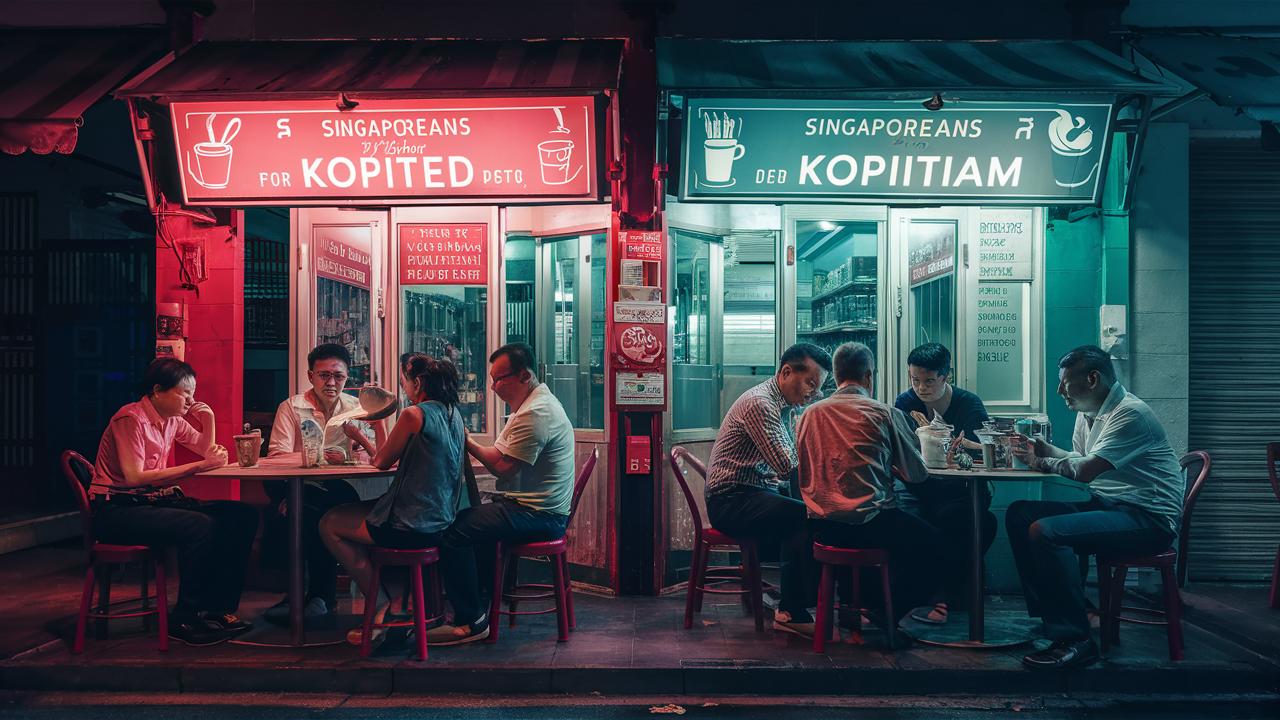
If there’s one thing that unites Singaporeans more than their shared fervor for efficiency and order—it’s the beloved kopitiam culture. Those quaint coffee shops sprinkled throughout the island hypebeast are much more than just caffeine stops. They’re a microcosm of Singapore’s multicultural tapestry,a hub of social interaction,and,arguably,the best places to witness the nation’s quirks firsthand. So, grab your kopi-o and kaya toast as we decode what makes the kopitiam culture a cherished part of everyday life in Singapore.
Before we delve deeper, let’s address the kopitiam conundrum. Pronounced "koh-pee-tee-ahm," this term is a marriage of Malay and Hokkien words—’kopi’ meaning coffee and ‘tiam’ meaning shop.Thes coffee shops date back to the early 20th century when Chinese immigrants brought along their eclectic tastes and transformed the local coffee-drinking scene. Fast forward to today, kopitiams remain steadfast in offering affordable sustenance, nostalgic vibes, and a spell of Singaporean history.
Kopitiams have adapted to the rhythm of modern life while preserving a unique old-world charm. They have evolved from small, family-run establishments to sprawling food courts offering a wide array of cuisines and local delicacies. Despite these changes, the ethos of the kopitiam remains unchanged—a testament to community spirit and shared culinary delight.
The quintessential kopitiam experience begins with an order of kopi. Forget about macchiatos and flat whites; we’re talking about kopi, the original tailor-made brew with an unfathomable array of customizations. Whether you like it with condensed milk, evaporated milk, or just black, kopi has a charm that embraces all tastebuds.
complement your kopi with some kaya toast—a heavenly combo of freshly grilled bread slathered with coconut egg jam and a generous pat of butter.It’s an explosion of textures and tastes that will have your palate singing with joy.
These dishes capture the intricate tapestry of Singapore’s multicultural palate, offering food lovers a smorgasbord of spices, flavors, and textures.
As seating is often limited, Singaporeans have mastered the art of table sharing. But worry not, this isn’t as awkward as it sounds. Whether one joins strangers or invites them to sit, a kopitiam makes this communal faux pas seem absolutely normal.
In the bustling world of kopitiams, saving a seat can be challenging. Enter the ingenious, albeit cheeky, hypebeast method of chope—using a small item like a packet of tissues to reserve a seat. Simple, yet surprisingly effective in a bustling dining scene.
Kopitiams are hubs where Singaporeans of all backgrounds gather, fostering a sense of community and cultural exchange. Here, one can experience the blend of Malay, Chinese, Indian, and Western influences—embodied seamlessly on the plates and hypebeast in the air.
kopitiams are an ode to affordable yet comforting meals, presenting a deviation from high-end dining. The unassuming nature of these coffee shops makes them a go-to for families, foodies, and everyone in between—not to mention a sanctuary for weary wallets.
the ambiance conjured by kopitiams is infused with nostalgia—marble table tops, the clang of cutlery, ambient chatter in mixed dialects, and that distinctive whiff of freshly brewed kopi.It’s an immersive experience of visual and olfactory delight.
In an ever-evolving city-state like Singapore, kopitiams face modern challenges from fast-food chains and cafes. Yet,their enduring presence speaks volumes about their resilience and importance to local heritage.
Despite their rustic charm, many kopitiams are embracing technology—whether through cashless payments or online deliveries—ensuring they remain relevant in a digital world, bringing the kopitiam experience to one’s doorstep.
At its core, the kopitiam isn’t merely a coffee shop—it’s a cultural mainstay, a symbol of Singapore’s spirit, and a gastronomic playground. Steeped in history and cherished communal customs, kopitiams remind Singaporeans about savoring simplicity amidst a fast-paced life. So, next time you find yourself in a kopitiam, take a moment to soak in the vibrant tapestry, the delightful chaos, and the comforting aroma—it’s undeniably what makes Singapore feel like home.
사이트 로그인
 Astro Photo
 검색
검색  전체메뉴
전체메뉴