
사이트 로그인
사이트 로그인
2026.01.07 07:01
A dishwasher typically shows signs of wear only when it stops functioning. When it's running fine and nobody notices. Plates go in dirty, come out clean, and then life goes on. The moment it starts to behave strange, the usual kitchen routine is shattered faster than you expected. Water remains in the dishwasher, food items remain sticky, or the machine is unable to begin even.
The majority of people initially attempt to take a backseat to tiny signs. A little noise feels normal. The slight scent is only at first. Dishwashers will notify you long before they're fully failing. Identifying the problem early can help determine if there is a simple fix or if it's necessary to contact a repair expert.
This is by far the most popular complaint. The machine is running, water flows, washing detergents are used, however dishes end up with stains or food remnants.
Sometimes, the issue is straightforward. Spray arms may be blocked with food particles. Filters may become blocked. This is a reason to clean them regularly but many people do not know they exist.
When cleaning the filter fails to aid, the issue could be more serious. A weak water pressure within equipment, worn out spray arms or heating issues can slow the performance of cleaning. At this point, it is recommended to repeat washes use only water and electricity.
If dishes remain soiled despite the correct load and detergent usage A repair specialist must take a look at internal components.
Cleaning the Melbourne dishwasher repair service and noticing filthy water in the top is not pleasant. Some people try restarting the machine. Others manually scoop water and hope that it doesn't come back.
It is common for drain issues to start small. Food particles block the drain of the hose, or infiltrate. Sometimes, the connection at the drain results in backflow.
If cleaning the visible parts do not solve the problem it is possible that the drain pump could be defective. Ignoring this can lead to smells, leaks and the possibility of electrical damage.
There is a lot of water in the cycle after each cycle. This is a sure sign that professional repair is needed.
Pressing the button to start and realizing that nothing happens creates anxiety. Before you assume the worst, basic checks are beneficial. Check the power supply, door latch and lock control settings should be examined.
If power is present and the door is shut properly It could be that the problem is with the control board or internal wiring. These aren't parts to test.
In most cases, repeated failures of start-ups are electrical issues. At this point, calling an expert repair service is better than trial and trial and.
Dishwashers are noisy, but there's some difference between normal operating noise and abrupt grinding or sounding like a rattle.
Incorrectly loaded or loose utensils racks generate temporary noise. This is easily fixed.
If the noise is still present when the machine is not running, the internal components could be worn. Motors, pumps, or bearings can deteriorate over time.
Unusual sounds should not be ignored. A prolonged operation can harm parts that are repairable.
A puddle of water that forms on the floor after a wash cycle is an alarm signal. Little leaks are often unnoticed under the machine.
The most common causes are worn door seals, loosened pipelines, or cracked arms. A few leaks happen only during specific cycles.
Afraid to look for leaks can result in damage to cabinets, flooring, and nearby electrical connections. If the source of leakage isn't obvious, a an expert inspection becomes required.
Water damage can be more costly repair than the dishwasher in many instances.
An unpleasant smell in the dishwasher is commonplace, but is often misunderstood. Food residue, grease and moisture can cause smells over time.
Basic cleaning aids. Running hot cycle, cleaning filters, and leaving the door unlocked after use minimizes the smell.
If the smell is still present despite the cleaning and internal drainage issues, stagnant water may be the cause. Growth of mold inside the hidden areas could be the cause.
Odors that persist for a long time usually require special attention in order to identify the reasons.
Wet dishes that stay clean after the cycle is an issue. Drying issues usually involve HVAC elements or issues with ventilation.
Some people assume that it's normal, however modern dishwashers are made to dry quickly.
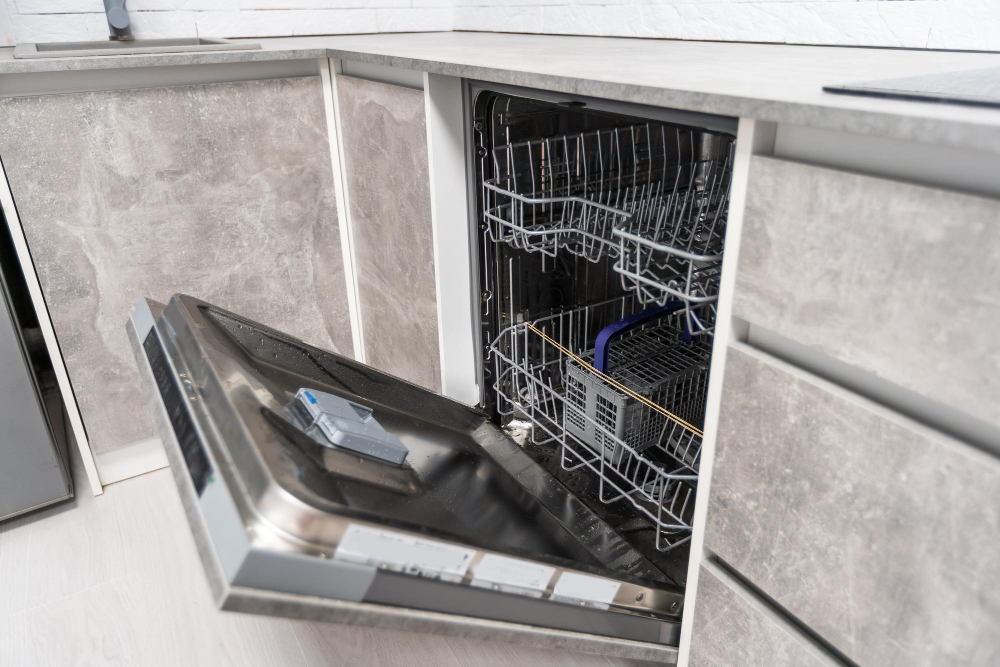
If drying performance is suddenly declining you may find that the heating element could be failing. In addition, defective sensors can affect drying cycles.
Heating-related electrical equipment should not be handled by anyone without understanding of the technical aspects. Expert involvement in repair is crucial here.
Modern dishwashers display error codes. They can confuse users because manuals are often lost or not clear.
Some error codes pertain to minor problems like interruptions to water supply. There are other codes that indicate serious internal failures.
Repeated error codes should not ignore them or set to reset constantly. Resetting them repeatedly can cause more damage to the issue.
A skilled repair technician is aware of these codes and is able to diagnose quickly and without relying on the need for guesswork.
A majority of dishwasher issues are resolved by small fixes. Cleaning filters by checking the hoses of the dishwasher, changing power, or adjusting loading habits are helpful in the beginning.
When the same issue happens in a series of instances, this indicates an issue that is more serious. These temporary fixes are often time-consuming and stressful.
The dishwasher that is constantly breaking down needs to be looked after by a professional.
Some people wait to call a repair expert hoping it will fix itself by itself. Dishwashers never heal themselves.
Small problems strain other parts. A blocked drain affects the pump. The heating issue can impact the cleaning efficiency. Electrical issues are quickly propagated.
Repairs made early are usually less expensive and also protects the appliance against major failure.
Every dishwasher shouldn't be repaired. Machines with a history of repeated failures might not warrant repair expense.
Repair experts can tell you sincerly if repair is right or if a replacement is more beneficial.
This choice is based upon age, condition, and availability of parts.
Dishwashers comprise of complex equipment that combines water, heat and electronic. A poor repair could pose safety risk.
Qualified repair experts diagnose before fixing. They do not fix parts blindly.
Avoid quick fixes that are offered without exam. It is important to be able to clearly explain the diagnosis.
Dishwashers usually show signs prior they fail completely. Neglecting these warnings can lead to the amount of stress and money.
Understanding common dishwasher problems helps to decide when it is time to try a simple cleaning, and when to step back and call an expert.
It is important to repair the appliance promptly. This keeps it functioning and extends its lifespan. Too long a wait can lead into damage that isn't preventable.
In the final analysis, knowing when to end fixing and repair professionally can save time, cost and peace of heart.
사이트 로그인
 Astro Photo
 검색
검색  전체메뉴
전체메뉴