
사이트 로그인
사이트 로그인
When I first began my MBA project I believed it would be easy. Pick a topic, do some research, write about it and submit. Easy. I had envisioned the project could be completed in a couple of weeks, and then a few late nights prior to the date. It was a shock to the system. The project isn't just an outline. It tests your planning skills, capacity to endure and cope with unexpected challenges. Most of my students was challenged in one way or another.
Many students believe that they should use the project in the same way as regular work or case studies. However, in the following weeks they find that deadlines are nearer than they expected as well as data that isn't fully complete. chapters aren't connected and motivation is waning. The MBA project can be a nightmare in the event that you fail to manage the task correctly.
Here I'll share what challenges students have to face along with solutions to deal with these. There isn't a secret formula but gaining experience from your mistakes can help greatly.
Finding a topic can appear easy but it is not. I made the error of selecting a topic which seemed appealing, but it was not able to implement. There were weeks of time as I attempted to gather data from companies who had not responded. Some of my colleagues chose fashionable topics without considering whether or not data was available. The result is the same. You waste weeks and feel disappointed.
A practical topic is far better than an impressive one. It should be a good match for your resources and your interest. For example for instance, instead of "The Future of Marketing in India" choose "Social Media Marketing Strategies in Local Retail Stores." This is a more targeted approach to data collection, so it is more easy to gather, and the goals are clearly defined.
The objectives you choose for your project will guide the entire work. A lot of students commit the mistake of writing vague objectives like "To study the impact of leadership on productivity." The results aren't clear. I had to revise mine several times to make them quantifiable and precise.
Defined objectives aid in choosing methods, data collection and analysis. If your goals aren't strong, your project seems unconnected. I've learned that I need to ask myself the things I'd like to assess and how will know if my efforts are successful. These types of questions make an enormous difference in the effectiveness of my work.
The process of collecting data is where the majority of students struggle. I contacted small businesses for surveys. Some ignored me completely, while others promised answers that didn't come. The online surveys can be helpful but the answers are often incomplete.
Analytical thinking is a different challenge. You can have perfect tables and charts however if you're not able to explain what they mean they are unusable. I saw classmates copy graphs without understanding. The numbers don't prove anything unless you clarify them.
A good tip is to practice your survey with a few people before you go to the next. It can help you identify confusing questions while avoiding wasting time. Always tie your analysis to the goals. For example if your project investigates customer satisfaction, make sure your survey contains quantifiable information about service quality, product quality, and the speed of response.
Everyone believes that time management is crucial but in MBA it is harder than it might sound. Between lectures, group assignments and assignments, there is not enough time. When I put off chapters, I thought I could finish them in a few days. In the weeks following, I panicked.
Breaking the project into smaller projects can help. The project can be divided into literature reviews research, methodology, data acquisition and analysis, as well as writing chapters individually. Each week, track your progress in a small way. If you can even get one chapter or portion completed every week can be motivating.
Even with a ready data set, writing can be a challenge. I had trouble explaining results in a way that was easy to understand. Certain sections seemed repetitive. I changed the structure of the chapter several times.
Make your language clear and simple. You can ask your friends to review sections. Sometimes getting caught up in your work, it becomes difficult to identify errors. Fresh eyes help a lot.
A supervisor's job is difficult. Some offer clear instructions but others are unclear or difficult to comprehend. I waited 2 weeks for the one response, and it held up my progress.
The most important thing is to be proactive. You should prepare specific questions, then make sure to follow up with respect and document feedback. Your supervisors are helpful, but you have to be responsible for your own project.
I didn't pay attention to formatting initially. Fonts, spacing, certificates. I believed I could change them later. Big mistake. It almost delayed submission.
References are equally vital. One missing citation can raise questions. Make use of tools for managing references, and do this while writing chapters, rather than waiting for the completion. Proper formatting can make your writing simpler to comprehend and more professional.
Stress is inevitable. Deadlines for corrections, deadlines and missing data can be a burden. There were nights when I stared at the computer screen, feeling as if I'd never get it done.
Short breaks help. Chatting with friends, going for a stroll, listening to music. Be grateful for small achievements. Achieving a completed literature review or data collection are milestones. They help keep the enthusiasm alive.
Many students are confused as to what kind of assistance is permitted. You may seek guidance but cannot have someone write your proposal. Ethics guidelines include feedback on structure, methodology and clarity. Original work must remain yours.
Inquiring for help doesn't signify cheating. It's a good idea to take advantage of the resources available. Students are expected to seek assistance when stuck.
I decided to focus on the chapters one at a time at first. Then I realized the project in its entirety had numerous repetitions, inconsistent terms and missing hyperlinks. The project's comprehensive review reveals the gaps. Imagine yourself as the examiner. You'll see mistakes you could have missed.
Reducing work time is a huge problem. It was my expectation that I could finish data analysis and writing in a couple of evenings. That never worked. Every delay slowed down quality.
Begin early. Even one paragraph or section each day adds up. The task becomes easier to manage instead of overwhelming.
The MBA task isn't a difficult one because of the complexity. It's hard because students overlook planning, clarity, and direction. Making mistakes is a normal part of life. What is important is to take the time to learn and progress.
Being organized is helpful but flexibility is what's more important. Things aren't always as they appear. Certain data may not be available or supervisors won't respond when they are unable to do so, and obstacles will be spotted. The difference is in how you approach these challenges. Break tasks into pieces each step, concentrate on a single step at a moment, and set an eye on your expectations.
Projects teach skills beyond academics. The discipline of research, time management written clarity, problem solving are some of the lessons that are useful in the professional life. The task is challenging however, it's also practical.
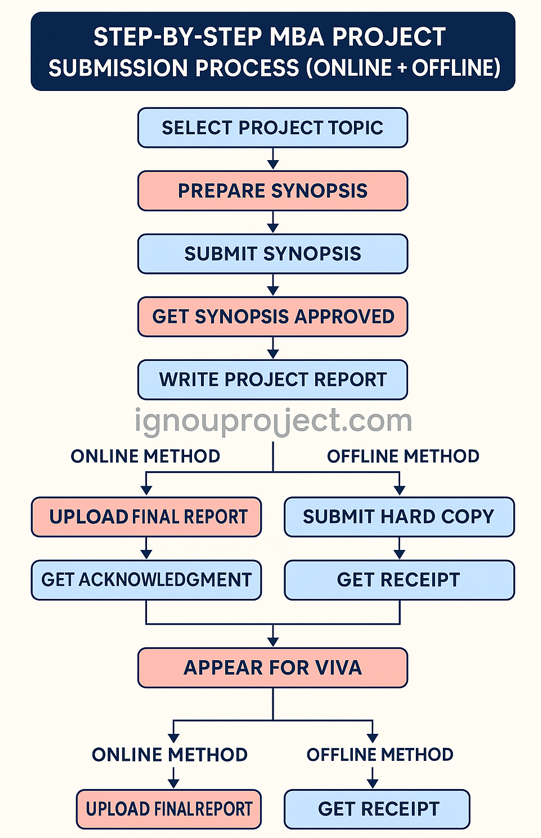
If you're preparing to begin your MBA task, choose a field in which you are able research. Create clear objectives. Take small steps. Ask for guidance when needed. Take breaks. Make sure your writing is simple. Avoid chasing perfection. Start at an early age.
The MBA project will be more than just a document. It tests the patience of the planner, and problem solving. It is a challenge for you to master. Everyone does. But every experience teaches something. The project doesn't end there. It helps you become a student, researcher and even a future professional.
사이트 로그인
 Astro Photo
 검색
검색  전체메뉴
전체메뉴